Tomato Sweet Chilli Sauce — Clean, Pourable, Plant-Based
By Sonakshi · @sonakshiwellness · Plant-based · Gut-friendly · PCOS-safe
Prep: 5 minutes · Cook: 12 minutes · Makes: approx 400g · Difficulty: easy · Vegan · GF
The story behind this one
Sweet chilli sauce is one of those condiments I have always loved and never entirely trusted. The store-bought versions are mostly glucose syrup, artificial colour, and enough preservatives to survive a decade on a shelf. The heat is sharp and one-dimensional. The sweetness is aggressive. And somehow it still works on everything — which tells you the underlying idea is genuinely good. It just deserves better ingredients.
This version is built the way a sauce should be built — in layers. Tomato concentrate for deep, concentrated umami. Two types of chilli for colour and heat that are doing different jobs. Fresh garlic and ginger bloomed in oil so they lose the harsh raw edge and become sweet and fragrant. Liquid sweetener instead of refined sugar so the sweetness has actual flavour behind it. Apple cider vinegar for brightness and natural preservation. A cornstarch slurry for that glossy, pourable body that coats the back of a spoon and clings to everything it touches.
"I wanted a sweet chilli sauce that tasted like someone actually made it. Not a factory. This is that sauce."
The masala layering is the part that makes this recipe different from every other sweet chilli sauce on the internet. Most recipes add spices directly to the liquid and simmer. This recipe blooms the garlic and ginger in oil first, then adds the chilli powders to the hot fat. Fat-soluble capsaicin and aromatic compounds release into the oil, not the water. The result is a sauce with depth and warmth that builds slowly rather than hitting you sharp and leaving nothing behind.
It takes twelve minutes start to finish once everything is measured. It keeps for three weeks. You will put it on everything.
— — —
Ingredients
The sauce base
• 80g double concentrate tomato paste — not passata, not chopped tomatoes. Concentrate is key for depth and body.
• 120ml water — to thin the concentrate to the right starting consistency
• 90ml liquid sweetener — maple syrup, agave, or date syrup. Maple gives the most complex flavour.
• 35ml apple cider vinegar — this is your brightness, your preservation, and your balance all in one
• 10ml fresh lime juice — added at the very end off heat
• 5g fine sea salt
The masala blend
• 12g fresh garlic — approximately 4 cloves, finely grated or minced to a paste
• 8g fresh ginger — finely grated
• 6g Kashmiri red chilli powder — for deep red colour and mild background heat
• 3g regular red chilli powder — for the medium heat layer
• 2g smoked paprika — adds depth and a subtle smoke without extra heat
• 1g black pepper powder — background warmth
• 5ml neutral oil — sunflower or light olive oil, for blooming the aromatics
The thickener
• 8g cornstarch
• 20ml cold water — to make the slurry
Note on tomato concentrate: double concentrate gives you twice the tomato flavour in half the volume. If you only have single concentrate use 140g and reduce the water to 60ml to compensate for the extra liquid.
Note on the sweetener: the 90ml is not making this candy-sweet. At this ratio against the vinegar, chilli, and tomato it reads as balanced — sweet and savoury together. Reduce to 70ml if you prefer the heat more forward than the sweetness.
Note on the two chillies: Kashmiri is mild, deeply red, almost sweet. Regular red chilli powder is the heat. Using both gives you the beautiful colour of Kashmiri without sacrificing the heat that makes this a chilli sauce and not just a tomato sauce. Do not substitute both with one type.
— — —
Method
Mix the cornstarch with the cold water in a small bowl until completely smooth with no lumps. Set aside. This is your slurry — it goes in last.
Heat the oil in a small saucepan over medium heat. Add the grated garlic and ginger and cook for ninety seconds, stirring constantly. You want them softened and fragrant — golden at the edges but not brown. The moment they start to colour remove from direct heat or reduce the flame. Burnt garlic is bitter and it will make the entire sauce taste harsh.
Add the Kashmiri chilli powder, regular red chilli powder, smoked paprika, and black pepper directly to the garlic and ginger in the oil. Stir immediately and continuously for thirty seconds. The spices bloom in the fat and the colour deepens dramatically to a rich terracotta red. This step is where most of the flavour is built. Do not skip it and do not rush it.
Add the tomato concentrate and stir into the spice oil until completely combined — this takes about twenty seconds of firm stirring. The mixture will look thick and paste-like. Add the water, liquid sweetener, apple cider vinegar, and salt. Stir well and bring to a gentle simmer over medium heat, stirring occasionally.
Simmer for six to seven minutes until the sauce has reduced slightly and the raw tomato smell has cooked out. The surface should be bubbling gently — not a rolling boil which drives off the volatile aromatics you just built.
Reduce the heat to very low. Give the cornstarch slurry a quick stir as it will have settled, then pour it slowly into the sauce while stirring constantly. The sauce will thicken visibly within thirty seconds. Remove from heat immediately once the desired consistency is reached — the sauce continues to thicken as it cools so pull it off the heat while it is still slightly looser than you want it. Add the lime juice, stir once, and taste.
Adjust at this stage — more sweetener if the heat is too forward, more vinegar if it tastes flat, more salt to lift everything. The balance point is where sweet, sour, heat, and savoury are all present and none is dominating. Let it cool for ten minutes before transferring to a clean airtight jar.
— — —
The masala layering — why it matters
Most home sweet chilli recipes treat spices as an afterthought — a pinch added to simmering liquid. This recipe treats them as the architecture. There is a specific reason each spice is added at a specific moment:
• Garlic and ginger go in first in oil because their aromatics are fat-soluble. Oil carries and amplifies them in a way water cannot.
• Chilli powders go into the hot fat before any liquid because capsaicin — the compound that creates heat — dissolves in fat not water. Blooming chilli in oil gives you more heat and more flavour from the same quantity of spice.
• Smoked paprika and black pepper go in with the chilli because they are also fat-soluble aromatics that benefit from the same oil bloom.
• Tomato concentrate goes in after the spice bloom so it absorbs the spiced oil immediately rather than diluting it.
• Acid — vinegar and lime — goes in last because heat destroys volatile acid compounds. Adding vinegar early cooks off the brightness you are trying to preserve.
This sequence takes the same ingredients and produces a dramatically more complex sauce than adding everything to a pot at once. It is the difference between a sauce that has depth and one that just has flavour.
— — —
Tips and swaps
• No fresh garlic: use 4g garlic powder added with the chilli spices into the oil. The flavour is less complex but perfectly acceptable.
• Want it hotter: increase the regular red chilli powder to 5g and add a pinch of cayenne. Do not increase the Kashmiri — it adds colour not heat.
• Want it milder: reduce the regular red chilli powder to 1g and increase Kashmiri to 8g. You keep the beautiful colour and the gentle warmth without the heat building.
• No cornstarch: use arrowroot starch in the same quantity. Arrowroot gives a slightly clearer, glossier finish than cornstarch and is a cleaner label ingredient if you are selling this commercially.
• Add fresh red chilli: for a more traditional sweet chilli texture finely chop one medium red chilli and add it with the garlic and ginger. It adds visible flecks of chilli and a fresher heat note.
• Commercial scaling: this recipe scales cleanly to ten times the quantity. Keep the cornstarch ratio at 2g per 100g total liquid for consistent consistency at any scale.
— — —
How to use it
This sauce does a lot of different jobs depending on where you put it. On the beetroot kidney bean burger patty it is extraordinary — the sweet heat cuts through the earthiness of the beetroot and the fermented depth of the tempeh. On the khapli bun with the cashew mayo it creates that sweet-creamy-spicy combination that makes a burger feel complete.
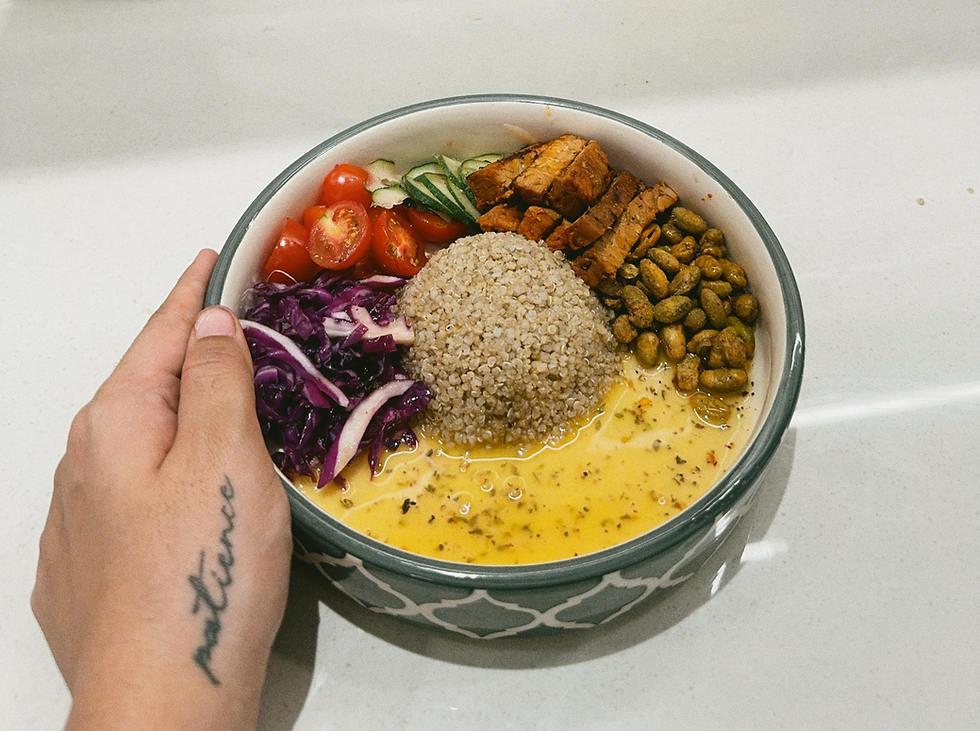
It also works as a dipping sauce for spring rolls, rice paper wraps, or any fried snack. Drizzled over a grain bowl with roasted vegetables and tahini it adds the third flavour dimension that makes the bowl interesting rather than functional. Mixed into stir fries in the last thirty seconds of cooking it glazes everything with a glossy, deeply flavoured coat.
Spread on toast under sliced avocado and a pinch of flaky salt — this is something that sounds simple until you try it and then it becomes a regular thing.
— — —
Storage
Transfer to a clean sterilised glass jar while still warm. Seal and refrigerate once cooled completely. The sauce keeps for three weeks in the fridge. The apple cider vinegar acts as a natural preservative — do not reduce it if shelf life matters to you.
For commercial use: fill into sterilised jars, leave a 1cm headspace, and refrigerate immediately. For longer shelf life the sauce can be processed in a water bath but this changes the texture slightly as prolonged heat breaks down the cornstarch thickening. For commercial production arrowroot is a more stable thickener at higher processing temperatures.
The sauce freezes well in ice cube trays — pop out the portions and store in a zip-lock bag for up to three months. Add directly to cooking from frozen.
— — —
Approximate nutrition
Per 15ml serving:
• Calories: approximately 22 kcal
• Carbohydrates: 5g — primarily from the natural sweetener
• Sugar: approximately 4g — from sweetener and tomato
• Fat: 0.5g
• Protein: 0.3g
• Sodium: approximately 180mg
These are estimates based on ingredient calculations. For certified nutritional labelling on commercial products, laboratory analysis through a certified food testing laboratory is required.
— — —
Why this is good for your gut and your body
Tomato concentrate is one of the most concentrated sources of lycopene available — a carotenoid antioxidant that is significantly more bioavailable from cooked and concentrated tomatoes than from raw ones. Lycopene has been studied for its anti-inflammatory properties and its specific role in reducing oxidative stress in reproductive tissue — which is directly relevant for women managing PCOS-related inflammation.
Garlic is one of the most well-researched prebiotic foods available. The fructooligosaccharides in garlic feed Lactobacillus and Bifidobacterium — the beneficial bacteria that regulate oestrogen metabolism through the estrobolome, a collection of gut bacteria responsible for deconjugating and recycling oestrogens. When the estrobolome is poorly fed and underperforming, excess oestrogen is reabsorbed rather than excreted — a pattern associated with oestrogen dominance, worsened PCOS symptoms, and disrupted menstrual cycles.
Ginger is a well-established digestive bitter — it stimulates gastric acid production and digestive enzyme activity, supporting complete protein digestion and reducing the bloating that comes from incompletely digested food fermenting in the gut. For women with PCOS who frequently experience digestive sluggishness related to insulin resistance, ginger is a simple, accessible tool.
Apple cider vinegar with the mother contains acetic acid which has been shown in multiple studies to reduce the glycaemic response to a meal — particularly carbohydrate-heavy meals. For blood sugar management in PCOS this is meaningful. The acetic acid slows gastric emptying slightly, reducing the rate at which glucose enters the bloodstream and dampening the insulin spike that drives androgen production.
Chilli powder contains capsaicin which stimulates thermogenesis — the production of heat in the body — and supports metabolic rate. It also has a direct anti-inflammatory effect through inhibition of substance P and NF-kB pathways. Kashmiri chilli specifically is rich in carotenoids including beta-carotene which converts to vitamin A, supporting skin, gut lining integrity, and immune function.
"A condiment that feeds your gut bacteria, supports blood sugar regulation, and reduces inflammation. This is what food as medicine actually looks like in practice — not a supplement, not a protocol. A sauce you put on everything."
— — —
One last thing
I made this for the first time because I was tired of buying something I could make better in twelve minutes. I have not bought store-bought sweet chilli sauce since.
The colour when it finishes cooking is extraordinary — that deep glossy red from the Kashmiri chilli and the tomato concentrate together. It looks like something that took hours. It took twelve minutes and one pan.
Make a double batch. Give one jar away. The person you give it to will ask for the recipe. Send them here.
Healthy food is not your problem. Boring food is.
— Sona
— — —
About Sonakshi
Sonakshi is a certified holistic nutritionist, registered yoga teacher, and women's health coach based in Faridabad, India. She creates plant-based recipes designed to support gut health, hormonal balance, and a genuinely good relationship with food — through her content series Sona Eats, her coaching programme Heal Her, and JUNO, her line of gut-friendly clean treats. Find her at @sonakshiwellness on Instagram.

Comments